
CPA and Bookkeeping McAllen AlternativeMatch the bank before the return.
We are all Texans. Steven Palmieri, a Tax CFO, matches the bank with you before anyone writes the return, and payroll setup stays on the provider you already run.
Finish the month, then the return
Steven Palmieri, the Tax CFO, keeps the file with owners in McAllen by video from Dallas.
Saturday cards keep their month
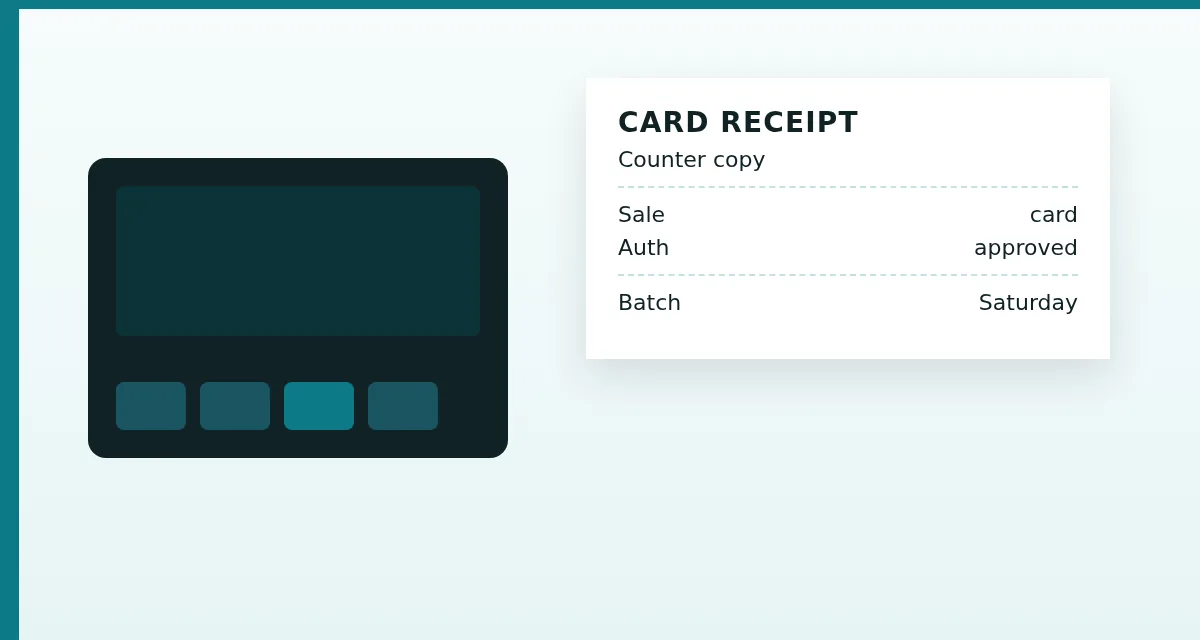
A Saturday card batch settles on Monday. It is posted in the month it settled, not the month it felt like.
Click to see the batch ›Tap to see the batch ›
When the convention hall fills
The McAllen Convention Center is the hall people name when the town gets loud. We keep a full hall as a spike, and the relief is a month you can hand over.
Click to see that week ›Tap to see that week ›
Freight before a currency
The Valley used to live on the harvest and now lives on what crosses the bridges. We appreciate that shift, and freight stays on the books before a harvest month and a truck month get averaged.
Click to see the freight ›Tap to see the freight ›
April should already name the racks
Racks and forklifts are property the April filing should already name.
Click to read April ›Tap to read April ›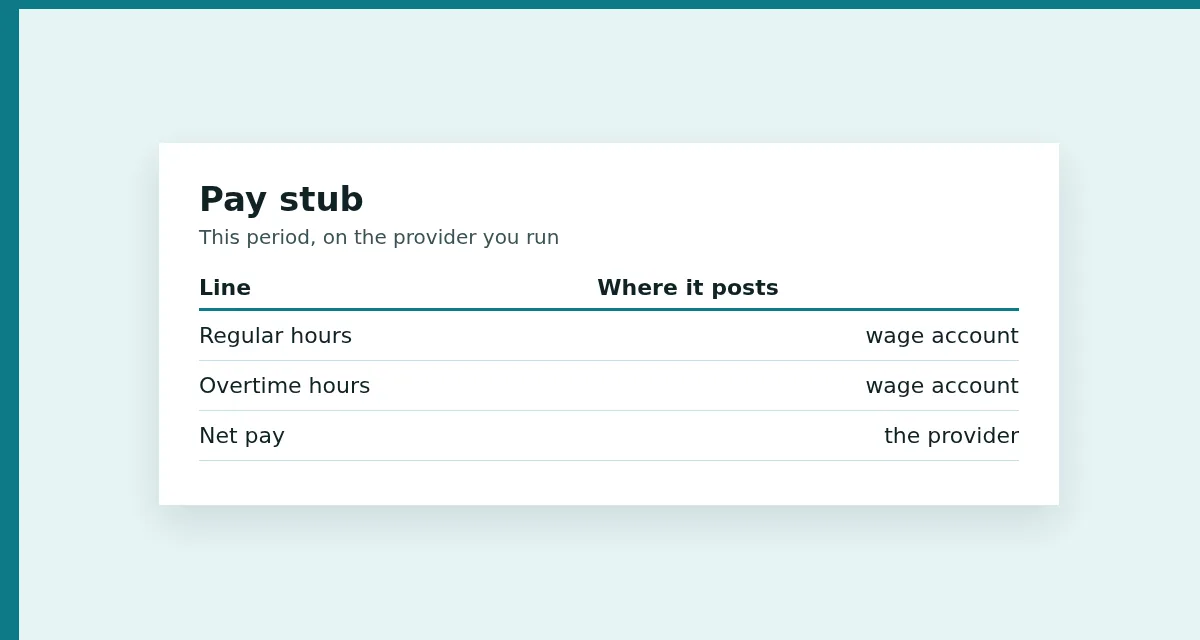
Payday stays on your provider
The company that already pays your people keeps payday. We stand the wage side up so both Fridays name the same day.
Click to see payday ›Tap to see payday ›Plain answers on the books
Open months, a currency conversion, and a letter that wants a signature.
Click to open the answers ›Tap to open the answers ›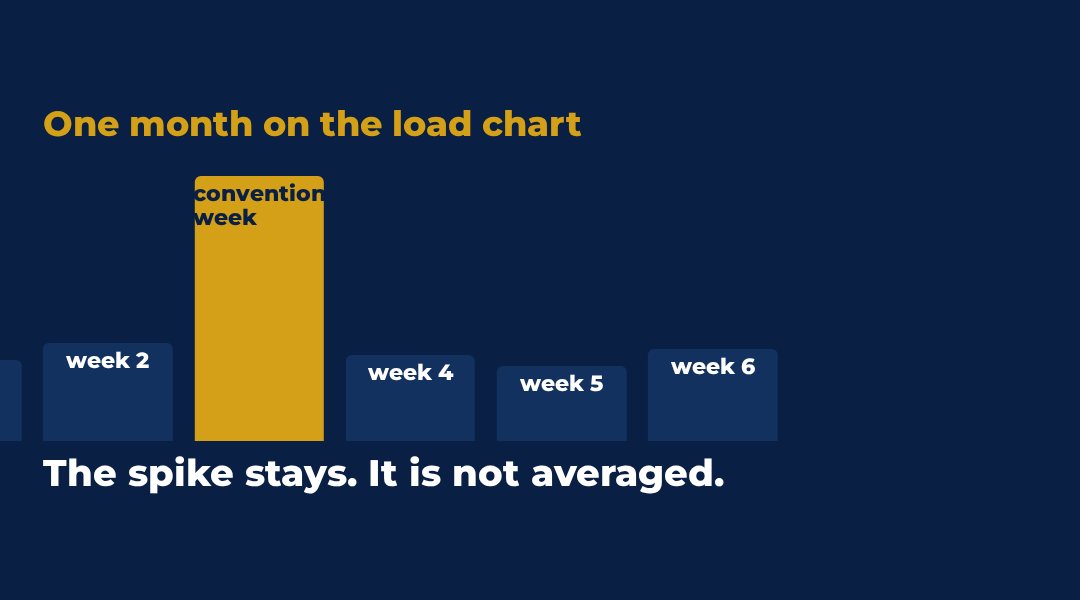
Wet month

September is usually the wettest month in McAllen, and the season runs from May into October. We leave that wet month heavy on the statements. The relief is a November you can hand over without sanding the rain flat.
Six open items in the books
Open a card.
1Freight left off the load
We write the freight, the duty, and the broker fee onto the load first.
A currency conversion done before those costs exist makes the margin look finished when it is not.
2The April list is still blank
The list starts from the asset schedule already in the file.
An empty April list tells the appraisal office the room was bare, and April will not pause while someone rebuilds it.
3A bank feed that only suggests
We still look at the exceptions after the rules have had their turn.
Two invoices paid with one wire will not match themselves, and that is how a loud month gets smoothed by accident.
4Payday never stood up on a provider
Wage accounts get opened here, and the Friday work stays with your provider.
Deposits and wage reports belong to the provider you already run. Friday, the deposit, and the wage report stay there.
5An estimate that ignores the heavy month
We put this year's shape on the estimate calendar while you can still choose.
Last year's even quarters will not fund a month when the containers all landed together.
6A letter that wants a signed report
The first call says the signature has to be made at another firm.
Audit, review, and compilation are assurance work. The months under that cover can still be tied with us.

Steven Palmieri, Tax CFO.
Click to read who answers ›Tap to read who answers ›Which close is still open
Name the newest month you trust, and say whether payroll is already set up.
Read the rest of this page
Finish the load before you translate it
The supplier invoice is the first piece, not the whole cost. Add the trucking bill, the customs duty, the broker invoice, and any yard storage from a wait at the crossing. Translate that total only after those bills exist. A dollar figure taken from the supplier price on the day the truck cleared, with the trucking bill pushed into next month, will not survive a lender who asks what the goods actually cost to land.
The bank feed is a list of suggestions. It can pair a repeating software charge. It cannot tell that one wire covered two buyer invoices, and it cannot explain a chargeback that arrived with a blank memo. Rules help with the ordinary lines. A person still opens the ones that do not fit. That opening is the close. A feed left to post itself is how a loud receiving week gets flattened without anyone deciding to flatten it.
A month can be handed to someone else only after the bank already agrees with it. A buyer deposit, a warehouse charge, and an owner draw that landed in the operating account each take the month they happened. Freight stays inside the month the goods arrived, and a return is not started while any of those months still disagrees with the statement. March is too late to invent names for invoices that sat in a folder all year.
The month that makes the next one shorter
The opening month is mostly naming. Rules learn how this company gets paid. A clearing account that has been a drawer of unnamed wires since spring is emptied or given a reason. A check older than the goods it paid for gets a decision. Goods still on the floor are counted as goods, at the cost it took to land them, not as cash and not as a rumor in a text thread. After that month agrees with the bank, the following one is mostly maintenance.
Payday is set up here and run somewhere else. The provider you already pay, or the one you pick, keeps the deposits and the wage reports. Wage accounts are opened so a Friday in the provider file and a Friday in the books are the same Friday. We will not sit in that provider role, and a setup conversation is not a payroll department.
What this costs follows the file in front of us. A year that already agrees with the bank is a different job from a year of deposits that still have no names. You hear which file this is before anyone agrees to a monthly day. If a monthly day would be more than this file needs, that is the answer you get.
What the arrival usually means
People arrive because a load crossed and the books still cannot say what it cost. What they get is current books, payday stood up on a provider, statements that can leave the building, a bank that already matches, and a return written while the year can still be changed. You do that work with Steven Palmieri in the role of Tax CFO. Current books, a payday that already runs, and a return written from those months are what that role keeps.
The one exception is a cover that must say audit, review, or compilation. That signature is made at a firm allowed to sign it. The months under the cover can still be closed with us. Disclosures writes that limit in sentences that belong to this address, and then the subject is done.
A shape, with nobody's file attached
Picture a receiving week where the goods were counted on Tuesday and the trucking bill showed up the following Monday. Someone translated the supplier price on Tuesday and left the trucking bill for later. The margin looked finished on Tuesday. It was early. Here is the shape, with no client's file in it. We would have left the trucking bill named on that load, and we would have let Tuesday's week stay heavy on the statements.
A wet September and a dry November are two shapes on the same chart. The estimate should show both. We will not borrow last November to calm this September down.
The books stay shared for the hour of the close, and the close still lands on the day we named. A month that looked like a harvest and a month that looked like a line of trucks are left as two shapes. Averaging them is how a lender meeting turns into an argument.
Steven Palmieri, Tax CFO and the Entrepreneur's CFO, wants a receiving week to stay as heavy on the statements as the trucks were that week.
Metro McAllen has run a shorter Sunday since 1997, eight in the morning until six in the evening. We are not on that bus. We still post the fare in the month the bus ran, the same way a Saturday card batch stays in the month it settled.
The tiles above are the longer articles. City sales tax, with no county piece stacked on the state rate, is written on the taxes page next to the Comptroller table that printed it.
You should be able to say the first useful month out loud. The bank matches. Goods still here are on the chart at landed cost. A trucking bill that has not shown up is labeled missing, not smoothed into the margin. Payday either has a provider or is named as not set up. Sales tax you collected is still its own amount, not blended into a deposit that also paid a vendor. When those are true, the statement does not need a preface, and the return has an honest base.
If the file needs a catch-up, that is what we will say, rather than pretend a monthly rhythm is already underway. Some owners are relieved. Some are disappointed. Both hear the same sentence. After it, the work is ordinary. A day you can put on a wall. A person who answers. A month that still looks like the month you lived.